Smart Contract Development
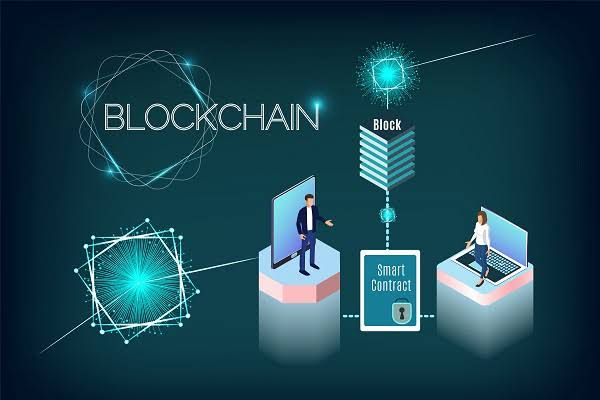
Smart contract development courses aim to teach individuals how to create, deploy, and manage smart contracts, which are self-executing agreements stored on blockchain platforms. These courses typically cover blockchain fundamentals, Ethereum’s architecture, Solidity programming, and testing/deployment tools.
Blockchain Fundamentals:
Understanding the core concepts of blockchain technology, including distributed ledgers, consensus mechanisms, and immutability.
Ethereum Architecture:
Learning about Ethereum’s components, such as the Ethereum Virtual Machine (EVM), accounts, transactions, and smart contracts.
Solidity Programming:
Mastering Solidity, the primary programming language for smart contracts on Ethereum, including syntax, best practices, and security considerations.
Smart Contract Lifecycle:
Learning how to create, test, deploy, and interact with smart contracts using various tools and frameworks.
Module 1: Introduction to Blockchain and Smart Contracts
What is blockchain?
Ethereum and other smart contract platforms (e.g., Solana, Polkadot)
Smart contracts: definition and real-world use cases
Differences between traditional and decentralized applications (DApps)
Module 2: Solidity Programming Language
Solidity syntax and data types
Functions, modifiers, constructors
Inheritance and abstract contracts
Events and logging
Module 3: Ethereum Virtual Machine (EVM)
EVM architecture
Gas and transaction cost
Bytecode and ABI
Module 4: Building and Deploying Smart Contracts
Development environments: Remix, Hardhat, Truffle
Writing and deploying contracts
Smart contract testing with Mocha/Chai or Foundry
Connecting to testnets/mainnet using Infura or Alchemy
Module 5: Security in Smart Contracts
Common vulnerabilities: reentrancy, overflow/underflow, front-running
Best practices and audit tools
Using OpenZeppelin for secure development
Module 6: DApps Integration
Web3.js or Ethers.js for frontend integration
MetaMask and wallet interactions
Building a full-stack DApp (example: token exchange, NFT marketplace)
Module 7: Advanced Concepts (Optional / Bonus)
ERC standards (ERC-20, ERC-721, ERC-1155)
DeFi protocols and smart contract composability
DAO and governance smart contracts
Layer-2 solutions and scalability (Optimism, Arbitrum)
What is the Blockchain Fundamentals course about?
This course introduces the foundational concepts of blockchain technology, including how blockchains work, the principles behind decentralized systems, consensus mechanisms, smart contracts, and real-world applications such as cryptocurrencies and supply chain tracking.
Who is this course for?
This course is designed for:
- Beginners interested in learning about blockchain.
- Developers looking to understand the technical fundamentals.
- Business professionals exploring blockchain use cases.
- Students and researchers studying emerging technologies.
Are there any prerequisites?
No prior knowledge of blockchain is required. However, a basic understanding of computer science, networking, or programming is helpful.
Kerala
Thiruvalla, Pandalam, Adoor, Pathanamthitta, Kayamkulam, Kottayam, Marthandam, Neyyattinkkara, Nedumangad, Thiruvananthapuram City, Kilimanoor, Karikode, Kollam City, Karunagapally, Punalur, Anchal, Kuttikkanam, Elappara, Kalamassery, Kaloor, Angamali, Thrissur, Palakkad, Manjeri, Valanchery, Perinthalmanna, Calicut (Kozhikode), Perumbavoor, Vyttilla, Alappuzha, Harippad.
Tamil Nadu
Velachery, Anna Nagar, Thiruvattiyoor, Neyveli, Aranthangi, Pudukottai, Nagapattinam, Karaikal, Ariyalur, Mulumichampatti, Saravanampatti, Gandhipuram, Kumbakonam, Mayiladuthurai, Vaniyambadi, Vellore, Tirupattur (Vellore), Kancheepuram, Thiruvannamalai, Hosur, Hosur East.
Karnataka
Bangalore Electronic City, Mysore Kuvempunagar, Mysore City.
Andhra Pradesh
Panruti, Dilsukhnagar, Chittoor, West Godavari.
Maharashtra
Panvel, Dombivli, Dombivli East, Thane, Kalyan, Akurdi, Chinchwad, Nigdi, Karvenagar, Revet, Kothrud.
West Bengal
Kolkata, Durgapur.
Rajasthan
Sikar, Kota, Jhalawar.
Jharkhand
Ranchi.
Uttar Pradesh
Allahabad, Lucknow, Rambagh.
Blockchain Fundamentals:
Understanding the core concepts of blockchain technology, including distributed ledgers, consensus mechanisms, and immutability.
Ethereum Architecture:
Learning about Ethereum’s components, such as the Ethereum Virtual Machine (EVM), accounts, transactions, and smart contracts.
Solidity Programming:
Mastering Solidity, the primary programming language for smart contracts on Ethereum, including syntax, best practices, and security considerations.
Smart Contract Lifecycle:
Learning how to create, test, deploy, and interact with smart contracts using various tools and frameworks.
Module 1: Introduction to Blockchain and Smart Contracts
What is blockchain?
Ethereum and other smart contract platforms (e.g., Solana, Polkadot)
Smart contracts: definition and real-world use cases
Differences between traditional and decentralized applications (DApps)
Module 2: Solidity Programming Language
Solidity syntax and data types
Functions, modifiers, constructors
Inheritance and abstract contracts
Events and logging
Module 3: Ethereum Virtual Machine (EVM)
EVM architecture
Gas and transaction cost
Bytecode and ABI
Module 4: Building and Deploying Smart Contracts
Development environments: Remix, Hardhat, Truffle
Writing and deploying contracts
Smart contract testing with Mocha/Chai or Foundry
Connecting to testnets/mainnet using Infura or Alchemy
Module 5: Security in Smart Contracts
Common vulnerabilities: reentrancy, overflow/underflow, front-running
Best practices and audit tools
Using OpenZeppelin for secure development
Module 6: DApps Integration
Web3.js or Ethers.js for frontend integration
MetaMask and wallet interactions
Building a full-stack DApp (example: token exchange, NFT marketplace)
Module 7: Advanced Concepts (Optional / Bonus)
ERC standards (ERC-20, ERC-721, ERC-1155)
DeFi protocols and smart contract composability
DAO and governance smart contracts
Layer-2 solutions and scalability (Optimism, Arbitrum)
What is the Blockchain Fundamentals course about?
This course introduces the foundational concepts of blockchain technology, including how blockchains work, the principles behind decentralized systems, consensus mechanisms, smart contracts, and real-world applications such as cryptocurrencies and supply chain tracking.
Who is this course for?
This course is designed for:
- Beginners interested in learning about blockchain.
- Developers looking to understand the technical fundamentals.
- Business professionals exploring blockchain use cases.
- Students and researchers studying emerging technologies.
Are there any prerequisites?
No prior knowledge of blockchain is required. However, a basic understanding of computer science, networking, or programming is helpful.
This course introduces the foundational concepts of blockchain technology, including how blockchains work, the principles behind decentralized systems, consensus mechanisms, smart contracts, and real-world applications such as cryptocurrencies and supply chain tracking.
This course is designed for:
- Beginners interested in learning about blockchain.
- Developers looking to understand the technical fundamentals.
- Business professionals exploring blockchain use cases.
- Students and researchers studying emerging technologies.
No prior knowledge of blockchain is required. However, a basic understanding of computer science, networking, or programming is helpful.
Kerala
Thiruvalla, Pandalam, Adoor, Pathanamthitta, Kayamkulam, Kottayam, Marthandam, Neyyattinkkara, Nedumangad, Thiruvananthapuram City, Kilimanoor, Karikode, Kollam City, Karunagapally, Punalur, Anchal, Kuttikkanam, Elappara, Kalamassery, Kaloor, Angamali, Thrissur, Palakkad, Manjeri, Valanchery, Perinthalmanna, Calicut (Kozhikode), Perumbavoor, Vyttilla, Alappuzha, Harippad.
Tamil Nadu
Velachery, Anna Nagar, Thiruvattiyoor, Neyveli, Aranthangi, Pudukottai, Nagapattinam, Karaikal, Ariyalur, Mulumichampatti, Saravanampatti, Gandhipuram, Kumbakonam, Mayiladuthurai, Vaniyambadi, Vellore, Tirupattur (Vellore), Kancheepuram, Thiruvannamalai, Hosur, Hosur East.
Karnataka
Bangalore Electronic City, Mysore Kuvempunagar, Mysore City.
Andhra Pradesh
Panruti, Dilsukhnagar, Chittoor, West Godavari.
Maharashtra
Panvel, Dombivli, Dombivli East, Thane, Kalyan, Akurdi, Chinchwad, Nigdi, Karvenagar, Revet, Kothrud.
West Bengal
Kolkata, Durgapur.
Rajasthan
Sikar, Kota, Jhalawar.
Jharkhand
Ranchi.
Uttar Pradesh
Allahabad, Lucknow, Rambagh.