IoT Security and Privacy
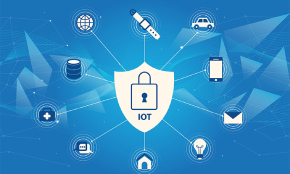
The Internet of Things (IoT) is revolutionizing the way we live, work, and interact with the world. From smart homes and wearable devices to industrial control systems and connected healthcare, IoT is embedding intelligence into everyday objects. However, with this explosion of connectivity comes significant security and privacy challenges.
This course provides an in-depth exploration of the security and privacy issues in IoT systems. Students will learn about the unique constraints and threats facing IoT devices, including limited computing power, lack of standardization, and exposure to physical attacks. The course will cover topics such as device authentication, secure communication protocols, data protection, privacy-preserving techniques, and risk management strategies.
By the end of the course, students will:
- Understand the architecture and components of IoT systems.
- Identify key security and privacy vulnerabilities in IoT environments.
- Analyze real-world case studies involving IoT breaches and threats.
- Design and evaluate security solutions tailored to the unique constraints of IoT.
- Explore regulatory and ethical considerations surrounding IoT data privacy.
This course is ideal for students and professionals interested in cybersecurity, embedded systems, network security, and emerging technologies.
I. Foundational Concepts:
- Introduction to IoT: Defining IoT, its components, and applications.
- IoT Security Fundamentals: Understanding the need for security in IoT, security threats and vulnerabilities, and common attack vectors.
- Privacy in IoT: Exploring data privacy concerns, regulations like GDPR and CCPA, and techniques for protecting personal data.
II. Security Domains:
-
Device Security:
Protecting IoT devices at the hardware and software level, including secure boot, firmware updates, and device-level security measures. -
Network Security:
Securing communication channels between IoT devices, gateways, and the cloud, including protocols like MQTT, HTTP/HTTPS, and secure transport layers. -
Cloud Security:
Protecting data and applications hosted in the cloud, including cloud storage, APIs, and backend systems. -
Application Security:
Securing IoT applications on various platforms, including mobile and web applications, and ensuring data integrity and confidentiality.
III. Privacy Concerns and Practices:
-
Data Minimization:
Collecting only necessary data and minimizing storage of personal information. -
Anonymization and Pseudonymization:
Techniques for protecting personal data while still allowing analysis. -
Data Encryption:
Protecting sensitive data in transit and at rest using encryption algorithms. -
Privacy-Enhancing Technologies:
Exploring techniques like differential privacy and federated learning to protect privacy during data analysis.
IV. Security Testing and Assessment:
- Vulnerability Assessment: Identifying weaknesses in IoT devices and systems.
- Penetration Testing: Simulating attacks to evaluate security measures.
- Security Auditing: Evaluating compliance with security standards and best practices.
What is IoT?
IoT, or the Internet of Things, refers to a network of physical devices connected to the internet and equipped with sensors, software, and other technologies.
What are the security threats and vulnerabilities in IoT?
Common threats include default settings, insecure networks, software updates, lack of encryption, and insecure interfaces.
What is the scope of the course?
The course likely covers critical security concepts, risk management, and strategies for detecting and mitigating threats specific to IoT environments.
What are the applications of IoT for business?
IoT applications in business can include smart manufacturing, smart cities, and smart healthcare.
Why is IoT security important?
IoT security is crucial for protecting sensitive data and preventing cyberattacks, as IoT devices are often continuously connected to the internet and vulnerable to various risks.
Kerala
Thiruvalla, Pandalam, Adoor, Pathanamthitta, Kayamkulam, Kottayam, Marthandam, Neyyattinkkara, Nedumangad, Thiruvananthapuram City, Kilimanoor, Karikode, Kollam City, Karunagapally, Punalur, Anchal, Kuttikkanam, Elappara, Kalamassery, Kaloor, Angamali, Thrissur, Palakkad, Manjeri, Valanchery, Perinthalmanna, Calicut (Kozhikode), Perumbavoor, Vyttilla, Alappuzha, Harippad.
Tamil Nadu
Velachery, Anna Nagar, Thiruvattiyoor, Neyveli, Aranthangi, Pudukottai, Nagapattinam, Karaikal, Ariyalur, Mulumichampatti, Saravanampatti, Gandhipuram, Kumbakonam, Mayiladuthurai, Vaniyambadi, Vellore, Tirupattur (Vellore), Kancheepuram, Thiruvannamalai, Hosur, Hosur East.
Karnataka
Bangalore Electronic City, Mysore Kuvempunagar, Mysore City.
Andhra Pradesh
Panruti, Dilsukhnagar, Chittoor, West Godavari.
Maharashtra
Panvel, Dombivli, Dombivli East, Thane, Kalyan, Akurdi, Chinchwad, Nigdi, Karvenagar, Revet, Kothrud.
West Bengal
Kolkata, Durgapur.
Rajasthan
Sikar, Kota, Jhalawar.
Jharkhand
Ranchi.
Uttar Pradesh
Allahabad, Lucknow, Rambagh.
This course provides an in-depth exploration of the security and privacy issues in IoT systems. Students will learn about the unique constraints and threats facing IoT devices, including limited computing power, lack of standardization, and exposure to physical attacks. The course will cover topics such as device authentication, secure communication protocols, data protection, privacy-preserving techniques, and risk management strategies.
By the end of the course, students will:
- Understand the architecture and components of IoT systems.
- Identify key security and privacy vulnerabilities in IoT environments.
- Analyze real-world case studies involving IoT breaches and threats.
- Design and evaluate security solutions tailored to the unique constraints of IoT.
- Explore regulatory and ethical considerations surrounding IoT data privacy.
This course is ideal for students and professionals interested in cybersecurity, embedded systems, network security, and emerging technologies.
I. Foundational Concepts:
- Introduction to IoT: Defining IoT, its components, and applications.
- IoT Security Fundamentals: Understanding the need for security in IoT, security threats and vulnerabilities, and common attack vectors.
- Privacy in IoT: Exploring data privacy concerns, regulations like GDPR and CCPA, and techniques for protecting personal data.
II. Security Domains:
- Device Security:Protecting IoT devices at the hardware and software level, including secure boot, firmware updates, and device-level security measures.
- Network Security:Securing communication channels between IoT devices, gateways, and the cloud, including protocols like MQTT, HTTP/HTTPS, and secure transport layers.
- Cloud Security:Protecting data and applications hosted in the cloud, including cloud storage, APIs, and backend systems.
- Application Security:Securing IoT applications on various platforms, including mobile and web applications, and ensuring data integrity and confidentiality.
III. Privacy Concerns and Practices:
- Data Minimization:Collecting only necessary data and minimizing storage of personal information.
- Anonymization and Pseudonymization:Techniques for protecting personal data while still allowing analysis.
- Data Encryption:Protecting sensitive data in transit and at rest using encryption algorithms.
- Privacy-Enhancing Technologies:Exploring techniques like differential privacy and federated learning to protect privacy during data analysis.
IV. Security Testing and Assessment:
- Vulnerability Assessment: Identifying weaknesses in IoT devices and systems.
- Penetration Testing: Simulating attacks to evaluate security measures.
- Security Auditing: Evaluating compliance with security standards and best practices.
What is IoT?
IoT, or the Internet of Things, refers to a network of physical devices connected to the internet and equipped with sensors, software, and other technologies.
What are the security threats and vulnerabilities in IoT?
Common threats include default settings, insecure networks, software updates, lack of encryption, and insecure interfaces.
What is the scope of the course?
The course likely covers critical security concepts, risk management, and strategies for detecting and mitigating threats specific to IoT environments.
What are the applications of IoT for business?
IoT applications in business can include smart manufacturing, smart cities, and smart healthcare.
Why is IoT security important?
IoT security is crucial for protecting sensitive data and preventing cyberattacks, as IoT devices are often continuously connected to the internet and vulnerable to various risks.
IoT, or the Internet of Things, refers to a network of physical devices connected to the internet and equipped with sensors, software, and other technologies.
Common threats include default settings, insecure networks, software updates, lack of encryption, and insecure interfaces.
The course likely covers critical security concepts, risk management, and strategies for detecting and mitigating threats specific to IoT environments.
IoT applications in business can include smart manufacturing, smart cities, and smart healthcare.
IoT security is crucial for protecting sensitive data and preventing cyberattacks, as IoT devices are often continuously connected to the internet and vulnerable to various risks.
Kerala
Thiruvalla, Pandalam, Adoor, Pathanamthitta, Kayamkulam, Kottayam, Marthandam, Neyyattinkkara, Nedumangad, Thiruvananthapuram City, Kilimanoor, Karikode, Kollam City, Karunagapally, Punalur, Anchal, Kuttikkanam, Elappara, Kalamassery, Kaloor, Angamali, Thrissur, Palakkad, Manjeri, Valanchery, Perinthalmanna, Calicut (Kozhikode), Perumbavoor, Vyttilla, Alappuzha, Harippad.
Tamil Nadu
Velachery, Anna Nagar, Thiruvattiyoor, Neyveli, Aranthangi, Pudukottai, Nagapattinam, Karaikal, Ariyalur, Mulumichampatti, Saravanampatti, Gandhipuram, Kumbakonam, Mayiladuthurai, Vaniyambadi, Vellore, Tirupattur (Vellore), Kancheepuram, Thiruvannamalai, Hosur, Hosur East.
Karnataka
Bangalore Electronic City, Mysore Kuvempunagar, Mysore City.
Andhra Pradesh
Panruti, Dilsukhnagar, Chittoor, West Godavari.
Maharashtra
Panvel, Dombivli, Dombivli East, Thane, Kalyan, Akurdi, Chinchwad, Nigdi, Karvenagar, Revet, Kothrud.
West Bengal
Kolkata, Durgapur.
Rajasthan
Sikar, Kota, Jhalawar.
Jharkhand
Ranchi.
Uttar Pradesh
Allahabad, Lucknow, Rambagh.