IoT Applications in Smart Cities
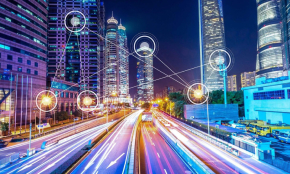
IoT (Internet of Things) in Smart Cities enables the collection, analysis, and utilization of data from various devices and sensors to optimize various city functions and improve citizen quality of life. This course likely covers the fundamental concepts, key technologies, applications, and challenges of IoT in smart city environments.
In This Course, You Will:
-
Gain a foundational understanding of IoT technologies and architectures.
-
Explore real-world smart city applications like smart transportation, waste management, energy systems, and public safety.
-
Analyze the integration of sensor networks, data analytics, and cloud computing in urban environments.
-
Understand the challenges around data privacy, cybersecurity, scalability, and interoperability.
-
Review case studies from leading smart cities around the world to see IoT in action.
-
Introduction to IoT and Smart Cities:
Define IoT, its characteristics, and how it enables smart city solutions. -
Applications in Smart Cities:
- Traffic Management: Real-time traffic monitoring, adaptive traffic signals, smart parking systems.
- Environmental Monitoring: Air and water quality sensors, noise pollution monitoring, and flood control.
- Waste Management: Smart garbage bins, optimized waste collection routes, and waste recycling.
- Public Safety: Security cameras, emergency response systems, and crime prevention.
- Healthcare: Remote patient monitoring, smart hospitals, and e-health services.
- Public Transport: Smart buses, real-time location tracking, and optimized routes.
- Water Management: Smart water meters, leak detection, and water resource monitoring.
- Traffic Management: Real-time traffic monitoring, adaptive traffic signals, smart parking systems.
-
Underlying Technologies:
- Sensors: Different types of sensors for various applications (temperature, humidity, pressure, etc.).
- Communication Protocols: LoRaWAN, Zigbee, Bluetooth, Wi-Fi, and other protocols for IoT devices.
- Data Analytics: Techniques for processing and analyzing IoT data to gain insights.
- Sensors: Different types of sensors for various applications (temperature, humidity, pressure, etc.).
What is a smart city?
A smart city utilizes technology to enhance efficiency, sustainability, and livability for its citizens.
What is the role of IoT in smart cities?
IoT enables the collection and analysis of data from various devices and systems, providing real-time insights for better decision-making and service delivery.
What are the key technologies involved?
This includes sensors, 5G networks, AI, cloud computing, and data analytics.
What is the smart city IoT architecture?
It typically involves layers for data collection, transmission, storage, and processing, with AI for analytics and decision-making.
Kerala
Thiruvalla, Pandalam, Adoor, Pathanamthitta, Kayamkulam, Kottayam, Marthandam, Neyyattinkkara, Nedumangad, Thiruvananthapuram City, Kilimanoor, Karikode, Kollam City, Karunagapally, Punalur, Anchal, Kuttikkanam, Elappara, Kalamassery, Kaloor, Angamali, Thrissur, Palakkad, Manjeri, Valanchery, Perinthalmanna, Calicut (Kozhikode), Perumbavoor, Vyttilla, Alappuzha, Harippad.
Tamil Nadu
Velachery, Anna Nagar, Thiruvattiyoor, Neyveli, Aranthangi, Pudukottai, Nagapattinam, Karaikal, Ariyalur, Mulumichampatti, Saravanampatti, Gandhipuram, Kumbakonam, Mayiladuthurai, Vaniyambadi, Vellore, Tirupattur (Vellore), Kancheepuram, Thiruvannamalai, Hosur, Hosur East.
Karnataka
Bangalore Electronic City, Mysore Kuvempunagar, Mysore City.
Andhra Pradesh
Panruti, Dilsukhnagar, Chittoor, West Godavari.
Maharashtra
Panvel, Dombivli, Dombivli East, Thane, Kalyan, Akurdi, Chinchwad, Nigdi, Karvenagar, Revet, Kothrud.
West Bengal
Kolkata, Durgapur.
Rajasthan
Sikar, Kota, Jhalawar.
Jharkhand
Ranchi.
Uttar Pradesh
Allahabad, Lucknow, Rambagh.
In This Course, You Will:
-
Gain a foundational understanding of IoT technologies and architectures.
-
Explore real-world smart city applications like smart transportation, waste management, energy systems, and public safety.
-
Analyze the integration of sensor networks, data analytics, and cloud computing in urban environments.
-
Understand the challenges around data privacy, cybersecurity, scalability, and interoperability.
-
Review case studies from leading smart cities around the world to see IoT in action.
- Introduction to IoT and Smart Cities:Define IoT, its characteristics, and how it enables smart city solutions.
- Applications in Smart Cities:
- Traffic Management: Real-time traffic monitoring, adaptive traffic signals, smart parking systems.
- Environmental Monitoring: Air and water quality sensors, noise pollution monitoring, and flood control.
- Waste Management: Smart garbage bins, optimized waste collection routes, and waste recycling.
- Public Safety: Security cameras, emergency response systems, and crime prevention.
- Healthcare: Remote patient monitoring, smart hospitals, and e-health services.
- Public Transport: Smart buses, real-time location tracking, and optimized routes.
- Water Management: Smart water meters, leak detection, and water resource monitoring.
- Underlying Technologies:
- Sensors: Different types of sensors for various applications (temperature, humidity, pressure, etc.).
- Communication Protocols: LoRaWAN, Zigbee, Bluetooth, Wi-Fi, and other protocols for IoT devices.
- Data Analytics: Techniques for processing and analyzing IoT data to gain insights.
What is a smart city?
A smart city utilizes technology to enhance efficiency, sustainability, and livability for its citizens.
What is the role of IoT in smart cities?
IoT enables the collection and analysis of data from various devices and systems, providing real-time insights for better decision-making and service delivery.
What are the key technologies involved?
This includes sensors, 5G networks, AI, cloud computing, and data analytics.
What is the smart city IoT architecture?
It typically involves layers for data collection, transmission, storage, and processing, with AI for analytics and decision-making.
A smart city utilizes technology to enhance efficiency, sustainability, and livability for its citizens.
IoT enables the collection and analysis of data from various devices and systems, providing real-time insights for better decision-making and service delivery.
This includes sensors, 5G networks, AI, cloud computing, and data analytics.
It typically involves layers for data collection, transmission, storage, and processing, with AI for analytics and decision-making.
Kerala
Thiruvalla, Pandalam, Adoor, Pathanamthitta, Kayamkulam, Kottayam, Marthandam, Neyyattinkkara, Nedumangad, Thiruvananthapuram City, Kilimanoor, Karikode, Kollam City, Karunagapally, Punalur, Anchal, Kuttikkanam, Elappara, Kalamassery, Kaloor, Angamali, Thrissur, Palakkad, Manjeri, Valanchery, Perinthalmanna, Calicut (Kozhikode), Perumbavoor, Vyttilla, Alappuzha, Harippad.
Tamil Nadu
Velachery, Anna Nagar, Thiruvattiyoor, Neyveli, Aranthangi, Pudukottai, Nagapattinam, Karaikal, Ariyalur, Mulumichampatti, Saravanampatti, Gandhipuram, Kumbakonam, Mayiladuthurai, Vaniyambadi, Vellore, Tirupattur (Vellore), Kancheepuram, Thiruvannamalai, Hosur, Hosur East.
Karnataka
Bangalore Electronic City, Mysore Kuvempunagar, Mysore City.
Andhra Pradesh
Panruti, Dilsukhnagar, Chittoor, West Godavari.
Maharashtra
Panvel, Dombivli, Dombivli East, Thane, Kalyan, Akurdi, Chinchwad, Nigdi, Karvenagar, Revet, Kothrud.
West Bengal
Kolkata, Durgapur.
Rajasthan
Sikar, Kota, Jhalawar.
Jharkhand
Ranchi.
Uttar Pradesh
Allahabad, Lucknow, Rambagh.